
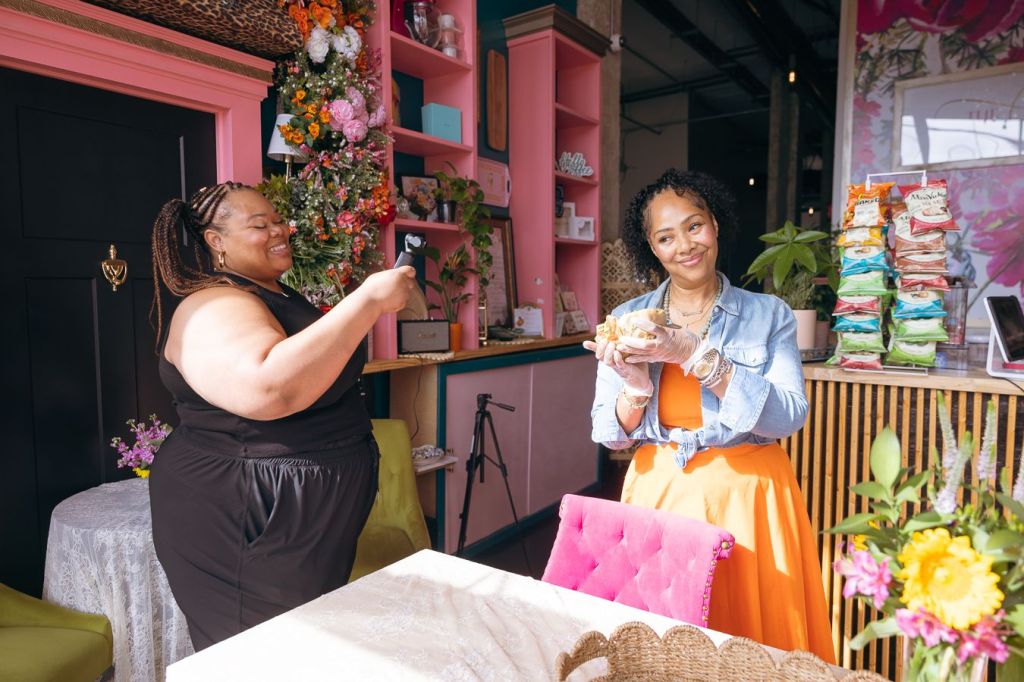
In a day and age where the advice is to prop up your camera and start talking about anything and everything, it’s easy to think that creating good content is simply a matter of hitting record.
And honestly, sometimes it is.
But if you want to create content that does more than just fill your feed, there’s another question worth asking:
Do you need to know how to edit to tell a good visual story?
My answer? No. Not necessarily.
Storytelling Comes Before Editing
If you’re a good storyteller, you already understand how to capture someone’s attention. You know how to build a narrative, share the right details, and make people care about what you’re saying.
Your words do a lot of the heavy lifting.
But when you introduce visuals, something changes.
You aren’t just telling someone about a place, an experience, an idea, or a problem. You’re giving them the opportunity to see it for themselves.
You build the world around your story.
Instead of telling someone how chaotic your morning was, you can show the overflowing coffee cup, the pile of paperwork on your desk, and the five different things competing for your attention.
Instead of simply explaining how you work with a client, you can show snippets of your process, the details of your workspace, or the decisions that go into your work.
Those visuals give your audience another way to connect with your message.
And while editing can help you bring those visuals together, visual storytelling begins long before you open your editing software.
Before You Edit, Ask Yourself This Question
Here’s a question I want you to start asking before you create your next video:
If I had to tell this story without saying a single word, how would I set the scene? What would I show?
This question forces you to think beyond what you want to say and consider what your audience needs to see.
It helps you identify the moments, details, and visuals that can support your message.
Once you can answer that question, you can begin developing a shot list. You can decide what footage to capture, which details will help communicate your idea, and how each visual contributes to the bigger picture.
That’s visual storytelling.
And notice that we haven’t even started editing yet.
Editing is one part of the process, but it isn’t the entire process.
So, When Does Editing Actually Matter?
This is where I think the conversation gets interesting.
When people ask me whether they need to know how to edit, I want to know something first:
How do you want to tell your story?
What do you want people to remember when they watch your content? What do you want them to feel, understand, or do? And what’s the goal of the content in the first place?
The answers should influence how you approach your video.
For example, a talking-head video with minimal editing might be exactly what you need if your message is compelling and your delivery holds someone’s attention.
You don’t need to add transitions, sound effects, and five different camera angles just because you can.
But if you’re creating an ad, launching an offer, or trying to communicate a more complex idea, you may need to be more intentional about how your footage is structured, how quickly the story unfolds, and which visuals support your message.
Editing can help you control the pacing, guide the viewer’s attention, emphasize important moments, and make your content easier to follow.
The goal isn’t to make every video look impressive.
The goal is to make the video effective.
And sometimes, that means doing less.
Learn to Edit With Intention
I don’t believe every content creator needs to become a professional editor.
But I do believe that understanding the fundamentals of editing can make you a more intentional content creator.
When you understand how to work with your footage, structure a story, and use editing to support your message, you have more control over the final result.
You can make creative decisions instead of guessing your way through the process.
You can develop a workflow instead of starting from scratch every time you create a video.
And you can spend less time trying to figure out how to make your content work.
That’s the difference between editing just to make a video look good and editing to help a story land.
Where The Editing Lab Intensive Comes In
This is exactly why I created The Editing Lab Intensive.
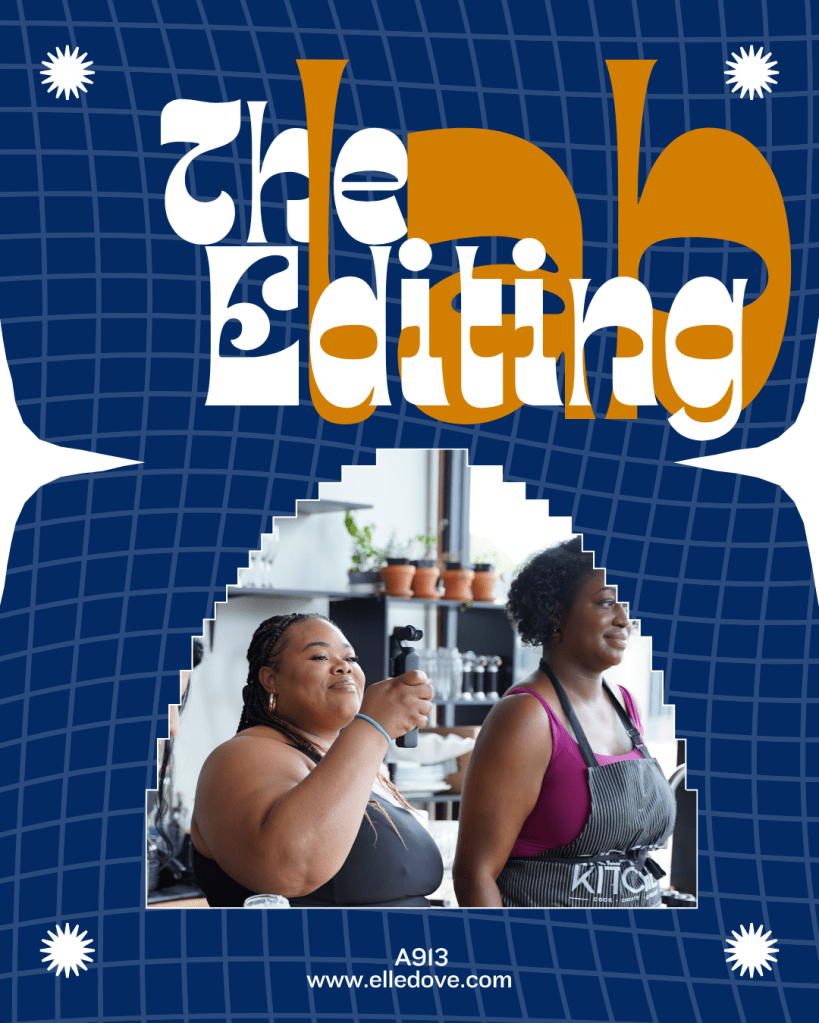
As a content creator and strategist, I’ve created more than 100 pieces of content for client campaigns. Over time, I’ve developed a way of thinking about content that connects the strategy behind a message to the visuals, footage, and editing decisions that bring it to life.
I want to help other creators develop that same intentional approach.
The Editing Lab is a 4.5-hour, in-person content creation and editing experience. We’ll begin with the strategy behind your content, then spend the majority of our time putting that strategy into practice through hands-on editing.
The goal is to help you:
- Learn core editing techniques you can apply to your own content.
- Build your brand through stronger visual storytelling.
- Develop a repeatable system for planning and creating content.
- Spend less time stuck in the editing process and more time creating effectively.
Because honestly, nobody wants to spend 30 hours a week trying to get two videos out the door.
You don’t need to learn every editing technique under the sun. You need to understand which techniques serve your story, how to use them effectively, and how to create a process you can repeat.
That’s what we’re working toward inside The Editing Lab Intensive.
Start With the Story
So, do you need to know how to edit to tell a good visual story?
No.
But learning to edit can give you more ways to tell that story, communicate your ideas, and create content that supports your goals.
Before you worry about transitions, effects, or which editing app to use, start with the story itself.
Ask yourself what you want people to understand, what you want them to remember, and what you could show them that would make your message more compelling.
Then build from there.
Strategy first. Visuals with intention. Editing with purpose.
That’s how you create content that works for you, not content that simply keeps you busy.
And if you’re ready to put that approach into practice, The Editing Lab Intensive is where we’ll start.


Leave a Reply